Driving License In The Czech Republic Tips To Relax Your Everyday Lifethe Only Driving License In The Czech Republic Trick That Every Person Must Learn
How to Obtain a Driving License in the Czech Republic Getting a driving license in the Czech Republic can be a simple process if you are well-prepared and notified about the requirements and steps included. Whether you are a resident or a foreigner residing in the nation, this guide will offer you with a comprehensive introduction of how to get your driving license, including the phases of education, examination, and potential hoops to leap through. Different Types of Driving Licenses Before diving into the specifics of obtaining a driving license, it is important to understand the numerous types readily available. In the Czech Republic, the driving licenses are classified by vehicle type, consisting of: Classification A: For motorcycles. Classification B: For automobile (approximately 3,500 kg and approximately 9 guests). Classification C: For trucks over 3,500 kg. Classification D: For buses. Classification E: For pulling trailers over 750 kg with a car (including to A, B, C, or D). People need to determine which category they require based on their driving requirements. Actions to Obtain a Driving License Action 1: Age Requirement The minimum age to look for a driving license in the Czech Republic varies based on vehicle category: 18 years for Category B (autos). 16 years for Category A1 (light motorbikes). 21 years for Category C and D. Step 2: Health Requirements Before you can start the process, you will require a medical exam. A designated physician will examine your physical fitness to drive. This usually includes an eye test, screening for color loss of sight, and a general health assessment. You will receive a medical certificate that must be presented during your application. Action 3: Theoretical Exam Preparation Candidates should prepare for the theoretical exam. Lots of driving schools offer resources, including lectures and study materials, covering subjects such as roadway signs, traffic regulations, and vehicle operation. It is recommended to participate in a driving school to get structured lessons. Step 4: Enroll in a Driving School Registering in a qualified driving school is vital, as you will require useful training in addition to theoretical understanding. Throughout your time at the driving school, you will get: Instruction in road safety and driving laws. Practical lessons on running a vehicle. Assistance on preparing for the driving tests. Step 5: Theory Examination After completing the theoretical training, you will need to take a composed test, which is normally administered through computer system. The examination is multiple-choice and includes questions related to traffic laws, roadway indications, and safe driving practices. Effective completion of this examination is important to advance to the next stage. If you fail, you can retake the test after a waiting duration. Action 6: Practical Training As soon as you've passed the theoretical test, you will proceed to practical training behind the wheel. This training lasts a minimum of 28 hours and teaches you important driving abilities, such as: Vehicle handling. Parking strategies (parallel, perpendicular). Browsing various types of roadways. Step 7: Driving Test After obtaining the required hours of useful training, you will be ready for the driving test. This test consists of: A driving evaluation with an examiner who will examine your abilities in real traffic conditions. A demonstration of your capability to manage a variety of driving maneuvers, such as turns, stops, and emergency reactions. Make certain to practice sufficiently under different conditions to develop self-confidence. Step 8: Application for the Driving License If you pass the dry run, you can make an application for your driving license. You will need to supply: A finished application type. Your medical certificate. Proof of passing both the theoretical and practical tests. Identification and, if applicable, evidence of residency. The application is submitted to the relevant local authority (the Department of Transport) for review. As soon as approved, you will be provided your driving license. Costs Involved The cost of getting a driving license can vary substantially based on different aspects, consisting of the driving school, the category of the license, and extra charges. For lkw führerschein tschechien , candidates can anticipate to invest: Driving School Fees: Approximately 15,000 to 40,000 CZK (around 600 to 1,600 USD), which consists of both theoretical and practical lessons. Test Fees: Generally, around 1,000 to 2,000 CZK (40 to 80 USD). Medical Examination: Typically costs about 500 to 1,500 CZK (20 to 60 USD). Regularly Asked Questions Q1: Can an immigrant obtain a driving license in the Czech Republic? Yes, immigrants residing in the Czech Republic can make an application for a driving license, however they need to meet the same eligibility criteria as Czech people. Depending upon the native land, some might likewise be able to exchange their existing driving licenses for a Czech one. Q2: How long is the driving license valid? Czech driving licenses are usually valid for 10 years. After this period, motorists need to restore their licenses. Q3: Can I drive in the Czech Republic with a foreign license? Yes, individuals with a legitimate foreign driving license can drive in the Czech Republic for as much as 90 days. After this duration, they may need to get a regional license. 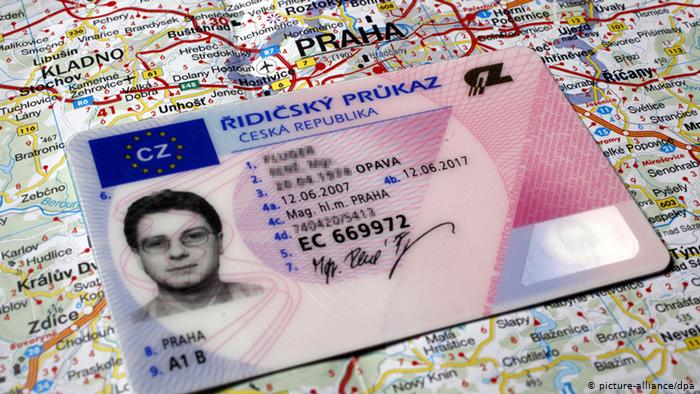 Q4: Are there any age limitations for specific vehicle categories? Yes, age constraints apply. It is vital to be of the minimum age required for the category of license you wish to obtain. Q5: What takes place if I stop working the driving test? If you fail either the theoretical or useful test, you can retake it after a waiting period. It is a good idea to take additional practice lessons before attempting the test once again. Conclusion Acquiring a driving license in the Czech Republic includes a number of actions, from instructional prerequisites and examinations to practical experience and documentation. By being prepared, following the outlined actions, and taking the procedure seriously, prospects can effectively browse this journey. Whether for personal benefit or expert requirements, obtaining a driving license is an important accomplishment that will serve people well throughout their lives.